Power savings that work while the server is busy.
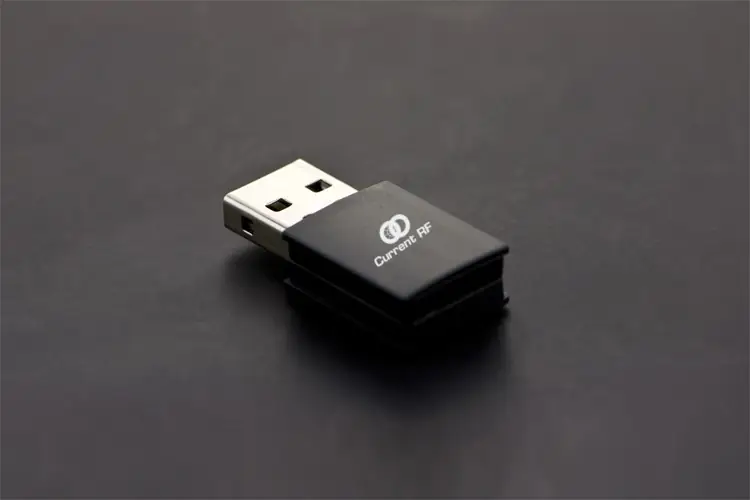
PowerStic and Exodus plug into an empty USB port and recycle waste energy inside the machine. Current RF built them from the CC-100 Power Optimizer IC, and offers on-site testing and a loaner program so you can measure the result on your own hardware.
- Payback
- Within 3 months
- Company estimate, moderate server activity
- ROI, on average
- 3 to 10 months
- Company estimate, cyber security page
- Interface
- USB-A or USB-C
- PowerStic price
- $59.99
- Current RF shop, per unit
What PowerStic and Exodus are
PowerStic and Exodus are USB plug-in devices. Current RF describes them as derivatives of the CC-100 PowerOptimizer IC, the part that captures energy thrown away in digital signal processing and recycles it back into the system. The devices carry that idea into computers, servers and network equipment, where they recycle waste energy for a lower overall power profile.
Current RF makes a point about the USB port. It says the port is only a convenient, accessible place to connect. The harvesting and recycling does not depend on how USB works, and the data lines are not used. Plug the device into any empty port and the circuit does its work.
The company also draws a contrast with other power reduction products. Most of those save power by turning idle parts of a server or network off. Current RF says PowerStic and Exodus work in the other state: when the machines wake up and are active. The PowerStic is $59.99 in the Current RF shop. Exodus has no shop listing. It is available through Current RF on request.
What Current RF has published about servers and workstations
Current RF publishes its server and workstation work as application notes, linked on the right. The titles tell you what each one covers. One is a technology overview of CC-100, PowerStic and Exodus. Another is on power reduction in workstations and servers. A third, on server total cost of ownership, is described by the company as covering tests on Supermicro and HP servers.
According to the company, the TCO note shows minimum, nominal and maximum power saving and converts it to dollars per day, month and year. It also lays out the test procedure, the code input used to stabilize the tests, and a predicted break-even point. This page does not repeat any of those results. Read the PDFs and judge the method yourself.
The same set includes a system theory note and a data-center and workstation performance note. The full list of datasheets and notes is on the datasheets page.
- 01PowerStic / ExodusPowerStic / ExodusPowerStic and Exodus technology overviewNote · PDF
- 02PowerStic / ExodusPowerStic / ExodusPowerStic and Exodus system theoryNote · PDF
- 03PowerStic / ExodusPowerStic / ExodusPowerStic and Exodus performanceNote · PDF
- 04PowerStic / ExodusPowerStic / ExodusData-center and workstation performanceNote · PDF
- 05PowerSticPowerSticPowerStic-enabled workstation and server power reductionNote · PDF
- 06PowerSticPowerSticPowerStic and server total cost of ownershipNote · PDF
Measure it on your own machines
Current RF offers on-site testing of power and security. The company analyzes your systems with and without a PowerStic or Exodus device inserted, shows you the power and money one will save, and retrofits a device into your system if you want one.
There is also a loaner program. A data-center or IT team can borrow a PowerStic or Exodus, run it on its own servers, and decide afterward. Apply through the contact form and say how many systems you would like to test. Michael Hopkins' team replies by email or phone.
Current RF says that with even moderate processing activity the cost of a device is recovered within three months of operation, and gives 3 to 10 months as an average ROI range. Those are company estimates. A loaner is the way to turn them into your own number. If the same USB port is a security concern for you, see the page on cyber security, or contact Current RF directly.